
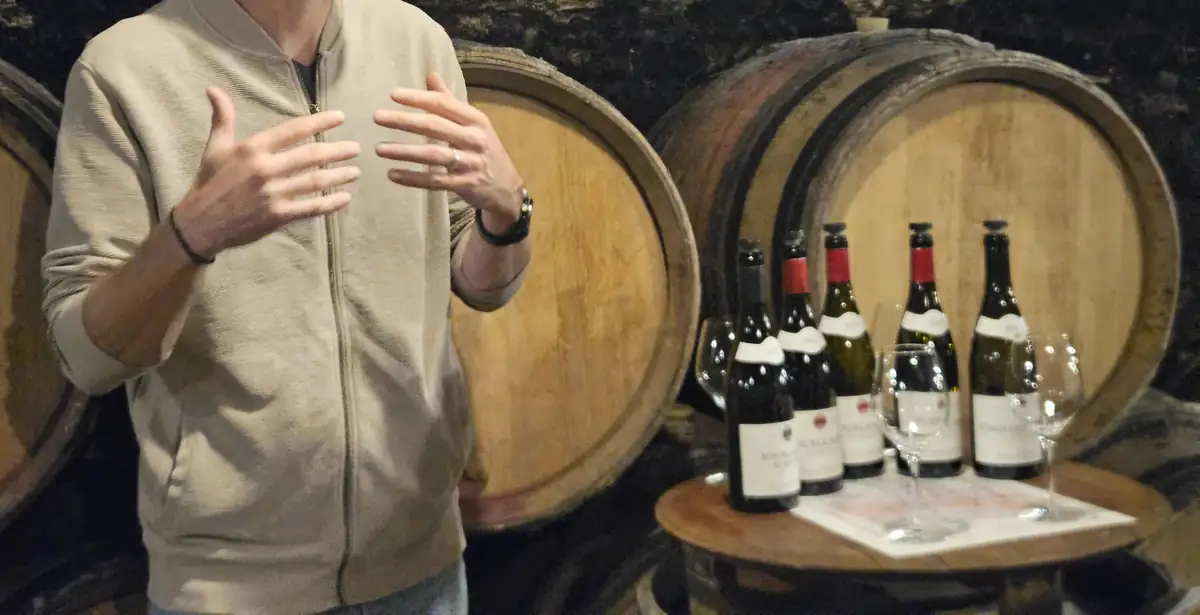
How a wine ends up in your case
This is not a list of brands. It is a way of choosing.
Six reasons a bottle makes the case
Family domaines
A name on the gate, someone in the cellar who also drove the tractor that morning. Scale changes what a wine can be.
Growers committed to their ground
Working the soil, watching yields, and accepting a smaller harvest when the year demands it.
Small production
Often a few hundred bottles of a given cuvée. That is a constraint I accept rather than avoid.
Village identity
A Chambolle should taste like Chambolle. A wine that could come from anywhere does not interest me.
Established houses and new hands
Decades of consistency on one side, a daughter or son who took over and changed the farming on the other. Both belong.
Chosen on the wine, not the reputation
Some famous labels do not make the case. Some unknown ones do, every year.
A year of tasting
Winter is for tasting from barrel, when a wine is still honest about what it will become. Spring is for walking the parcels before the leaves hide the ground.
Summer is quiet, and September belongs to the families. What is left, from October onwards, is choosing, and that takes the longest.
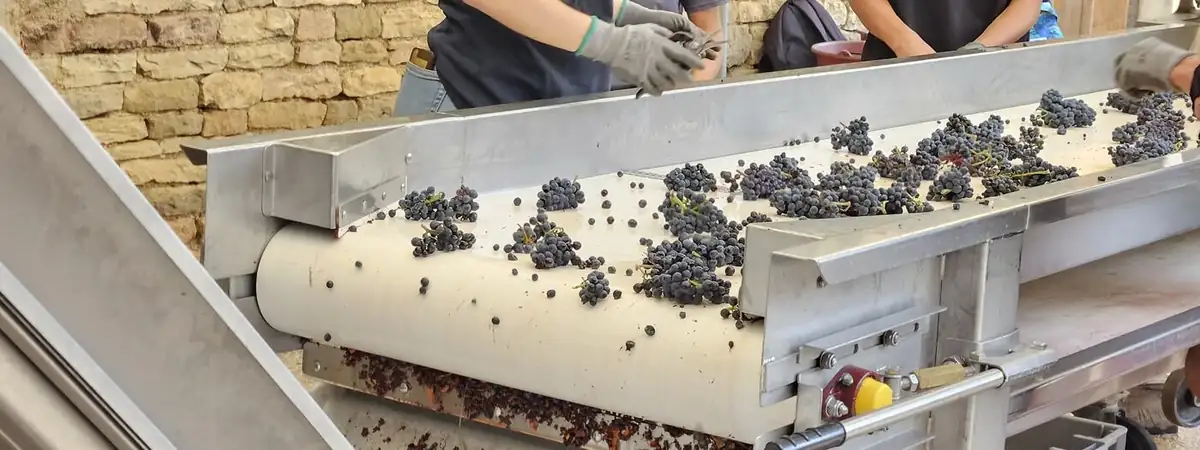 September, at the sorting table
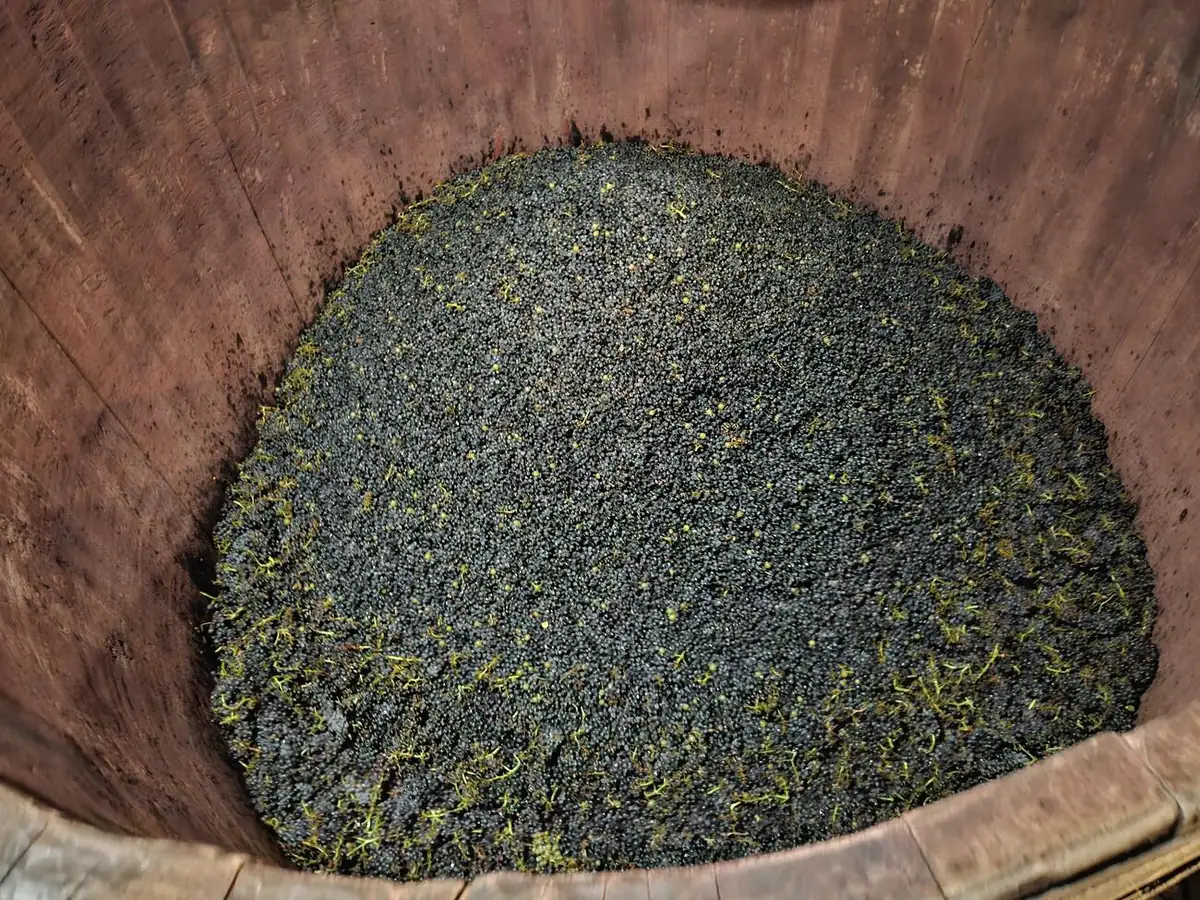 An open vat, three days in
Named to members, not to the internet
Several of the families I work with would rather not see their name on a public list, and I respect that.
Members receive a full portrait of each domaine with their selection: the family, the parcels, how the wine is farmed and made, and what to expect from the bottles in the case.
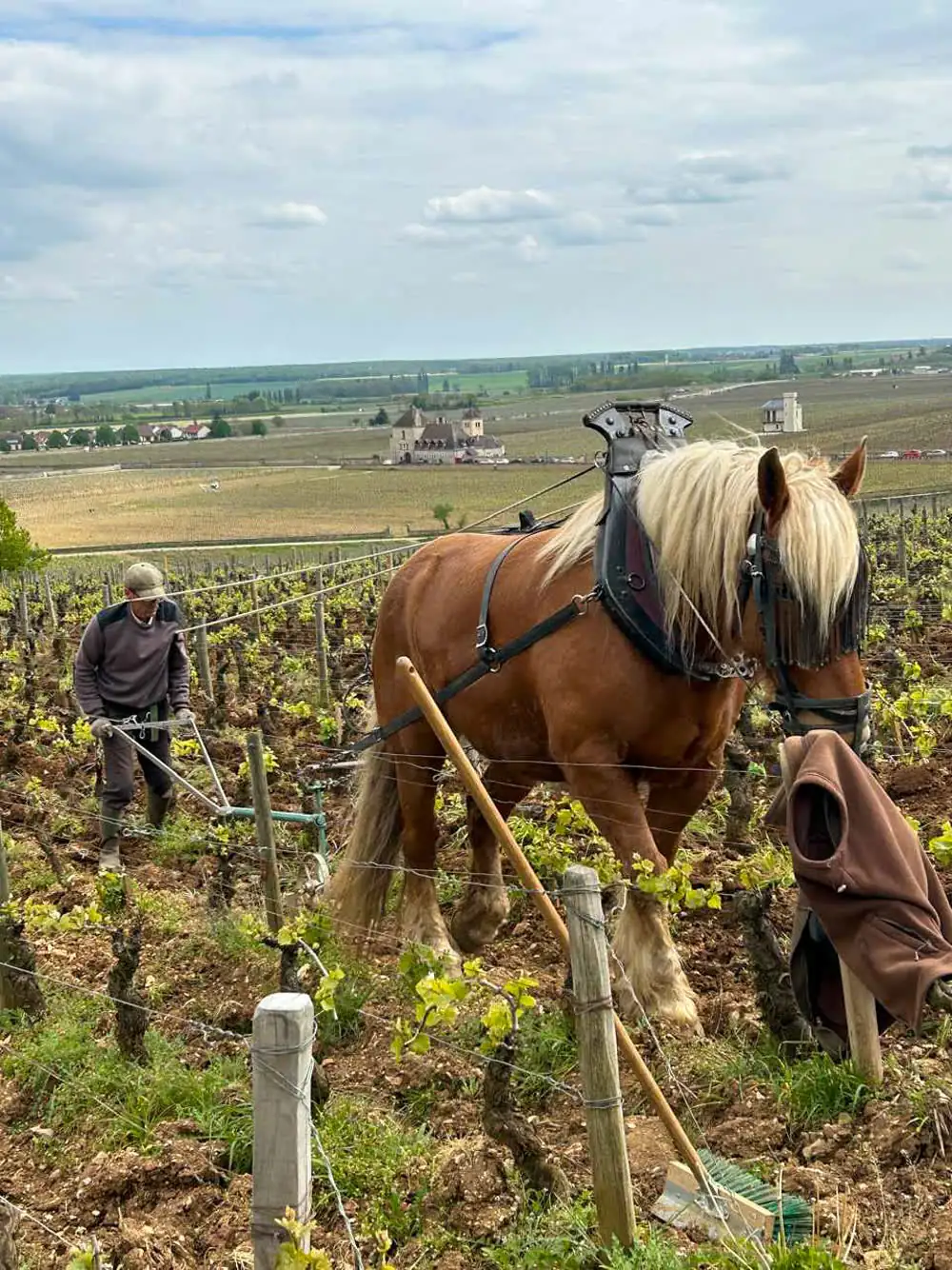 Ploughing with a horse
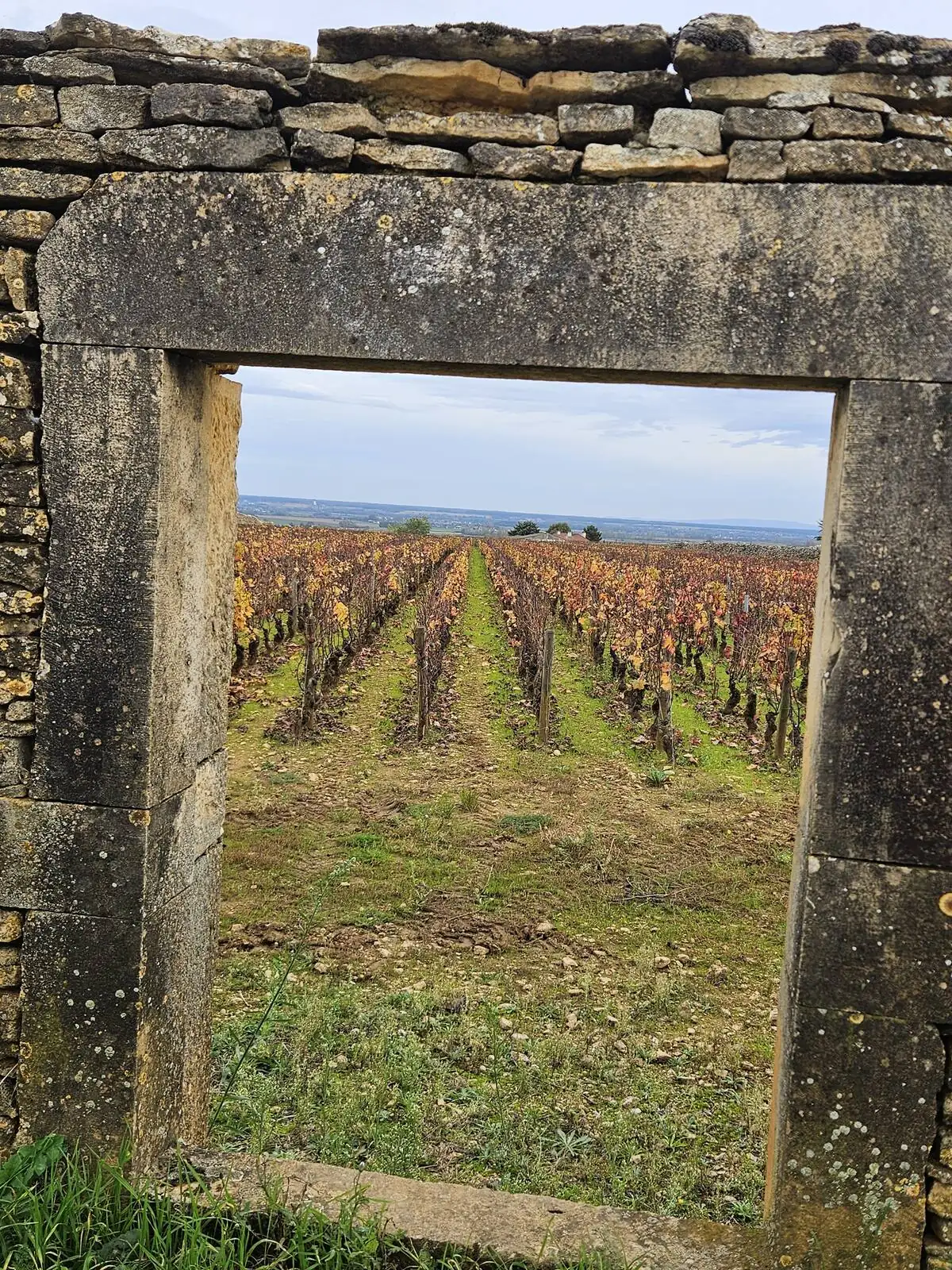 A gate onto the vines
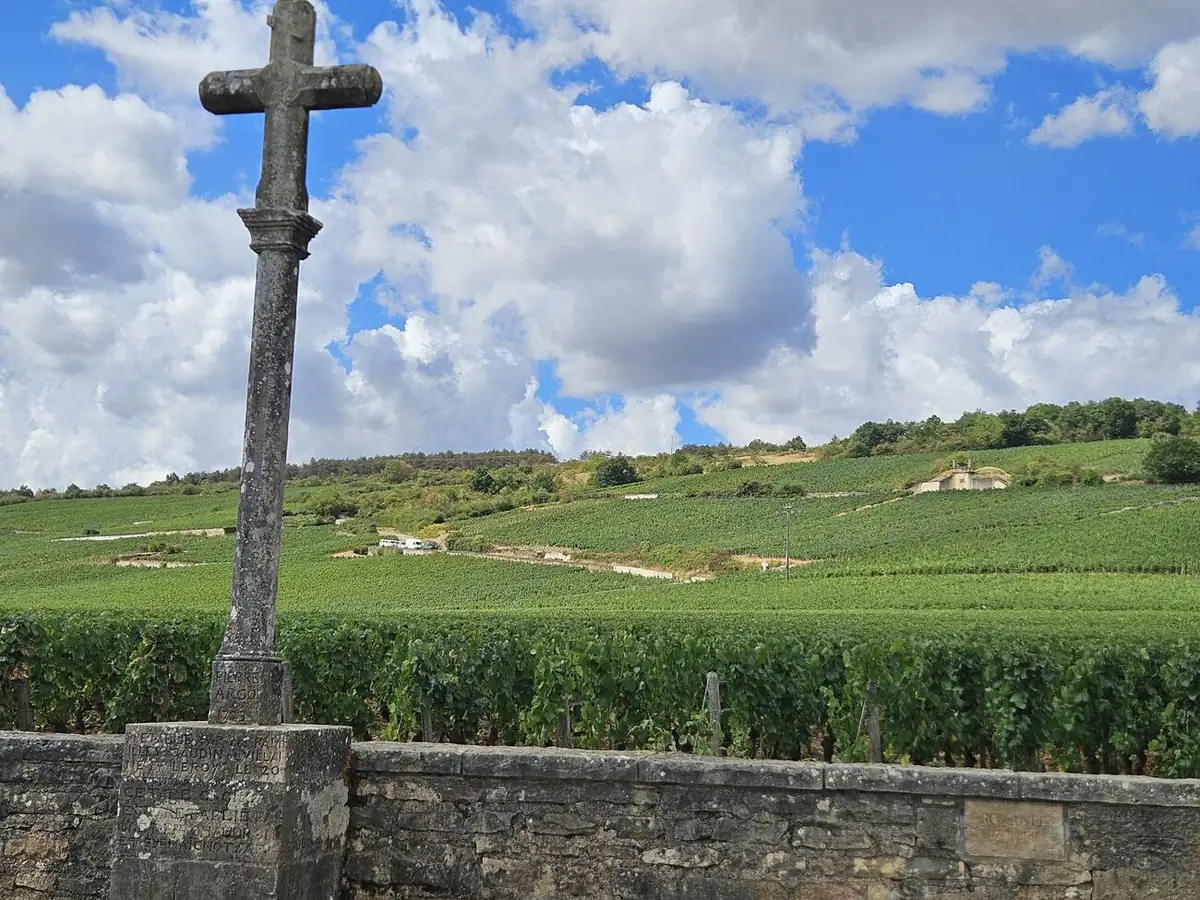 A stone cross above the vines
The work, not the labels. Named domaine profiles appear here only once a family has agreed in writing to be named and photographed.